White willow
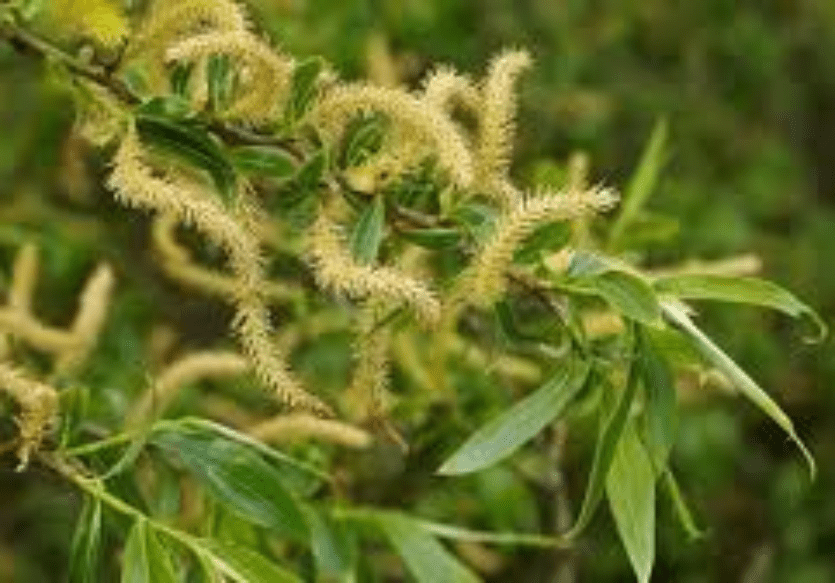
Natural pain reliever: One of the important benefits of white willow bark PE is its potential as a natural pain reliever. Salicin acts as a mild pain reliever, providing relief from various types of pain such as headaches, muscle pain, and joint pain.
Anti-inflammatory properties: White willow bark PE has anti-inflammatory properties due to its salicin content. It helps to reduce swelling in conditions like arthritis and inflammatory diseases.
150 Most Powerful Medicinal Plants and Herbs!
The plants mentioned below; are listed in the order of their name and what kind of disease they cure.
- አጋም (Carissa Edulis)
The powdered root is used as a remedy for chest complaints. An infusion made from the roots is drunk to ease stomach-ache, as a cough remedy or is dropped into the eye for cataract problems. Roots contain carissin that can be used to treat cancer. It has been successful in treating Herpes simplex virus.
- አመድማዶ (Chenopodium ambrosioides)
This plant is used for blood purification, for the kidney, as a diuretic, for diabetes, and for a variety of inflammatory and infectious conditions.
WORSHIP IN THE ETHIOPIAN ORTHODOX CHURCH
– Introduction
– The place of worship
– The time of worship
– The types of worship
– Manner of prayer
– Times of prayer
– Fasting
Clematis (አዞ ሐረግ)
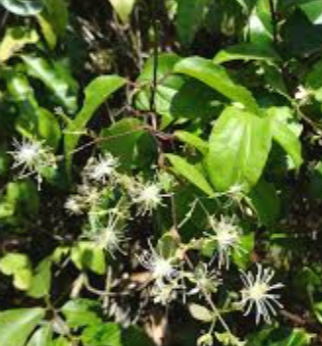
አዞ ሐረግ (Clematis simensis) Clematis is used for joint pain (rheumatism), headaches, varicose veins, syphilis, gout, bone disorders, ongoing skin conditions, and fluid retention.
አሚራ (Plumbago zeylanica) Its use in correcting chronic menstrual disorders, viral warts, and chronic diseases of the nervous system. It also helps to treat stubborn chronic rheumatoid arthritis, skin diseases and tumorous growths.
አንቸባ (Ocimum)
This plant has been recommended for the treatment of bronchitis, bronchial asthma, malaria, diarrhea, dysentery, skin diseases.
አንጎ (Rumex nervosus)
Rumex is widely used herbs in Arabian and East African countries, It is used in curing gastrointestinal diseases such as helminths, diarrhea, and aches.
አሉማ (Amaranthus sylvestris)
Amaranth is the common name for more than 60 different species of Amaranthus. This gluten-free grain was a major food crop of the Aztecs, and some estimate that it was domesticated between 6,000 and 8,000 years ago. Because of the high proteins, minerals and vitamins present in amaranth seeds, these ancient cultures depended on the grain as a major staple in their diets.
Amaranth is still the native crop in Peru, and it’s grown in Africa, India, China, Russia, South America and North America.
 150 Most Powerful Medicinal Plants